ROI means return on investment. For virtual tours, it shouldn't be read as an automatic guarantee of sales. It's a way to compare what it costs to produce the experience against the value it can add to the commercial process.
- ROI doesn't mean promising guaranteed sales just for having a tour.
- It should be measured against goals: bookings, leads, filtering, sales-cycle time, trust or internal use.
- A tour adds more when it's integrated into the web, WhatsApp, Google Maps or the sales team.
- Measurement improves when you define events and channels from the start.
A simple definition
ROI means return on investment. For virtual tours, it shouldn't be read as an automatic guarantee of sales. It's a way to compare what it costs to produce the experience against the value it can add to the commercial process.
That value can be direct, like quote requests or bookings, or indirect, like fewer unproductive visits, a better explanation of the space, more trust before an appointment, or support for campaigns and brokers.
Why it matters for physical spaces
It matters because many companies buy visual content without defining what it should achieve. The result can be attractive, but hard to defend internally. When the goal is clear, the tour is designed as a tool, not just as an aesthetic piece.
For hotels, clinics, galleries, real estate, yachts or physical businesses, the ROI usually shows up in the quality of the commercial conversation: better-informed users, fewer repeated questions and more clarity on whether the space fits what they're looking for.
Use cases applied to LUM360
- Hotels that want to support direct bookings, events or site inspections.
- Properties that want to filter prospects before a physical visit.
- Clinics that need to reduce uncertainty before the appointment.
- Galleries that want to document and share an exhibition beyond the in-person audience.
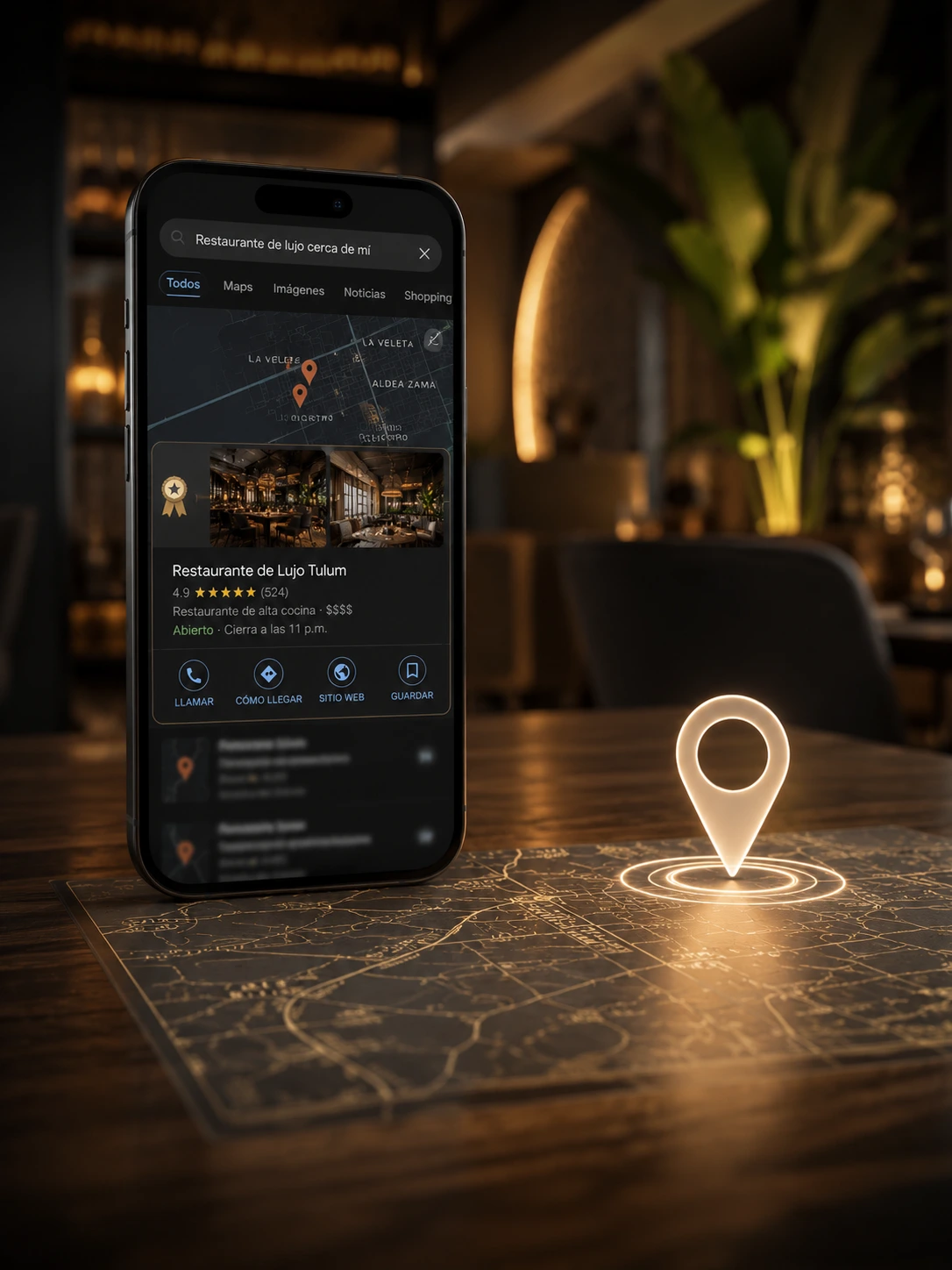
- Businesses that use Google Maps, web and WhatsApp to turn local searches into visits.
- Developments or yachts where the material helps explain a high-value asset.
The recommendation shouldn't start from a list of services, but from the goal of the space: sell, book, document, educate, filter prospects or build trust before the physical visit.
When it's worth it
- When the space directly influences a decision to buy, book or visit.
- When the sales team can use the tour in messages, proposals or presentations.
- When it will be connected to measurement: clicks, forms, WhatsApp, interaction time or events.
When it needs a review first
- If the tour will be published with no distribution strategy, its impact may fall short.
- If there's no clear offer, button, contact or follow-up channel, the experience can spark interest but not action.
- If the tour is expected to replace a full commercial strategy, it's worth adjusting expectations.
This upfront review avoids paying for unnecessary elements and helps define a realistic scope. On sensitive projects, it's worth discussing permissions, visual privacy and final use before producing.
What affects price, scope or complexity
- The total cost of production, editing, interactivity and hosting if applicable.
- The channels where it will be used: website, Google Maps, WhatsApp, campaigns or sales team.
- The clarity of the call to action inside or around the tour.
- The quality of the traffic that reaches the experience.
- The ability to measure relevant events without invading privacy.
The price shouldn't come from a generic formula. Two spaces of the same size can require very different levels of editing, logistics, interactivity and review.
How LUM360 approaches it
At LUM360 we connect production to the commercial goal. Before quoting, we ask which decision the tour should make easier and who will use it.
Then we recommend the level of content needed: nodes, interactive points, editing, photography, video or local SEO. If something doesn't serve the goal, we question it.
When the project calls for it, we suggest measurement with Google Analytics or events to understand interaction and relevant actions.
Measuring ROI honestly means watching useful signals, not promising results that depend on price, offer, service, season and market.
That's why the estimator asks about project type, goal, services, final use, urgency, editing and contact details. The idea is to recommend what's right for your goals, not to push a solution bigger than necessary.
Frequently asked questions
Does a virtual tour guarantee more sales?
No. It can improve trust and clarity, but sales also depend on price, offer, traffic, service and the market.
Which metrics can I track?
CTA clicks, inquiries, WhatsApp, interaction time, assisted pages, use by brokers or a reduction in unqualified visits.
Is it worth measuring from the start?
Yes. Even if nothing is perfect, defining events and channels from the start helps you learn which content adds the most value.
Measure what can actually change a decision. Let's review it together.
Tell us what the tour should achieve: sell, book, filter, explain or build trust. From there we design a measurable, realistic proposal.