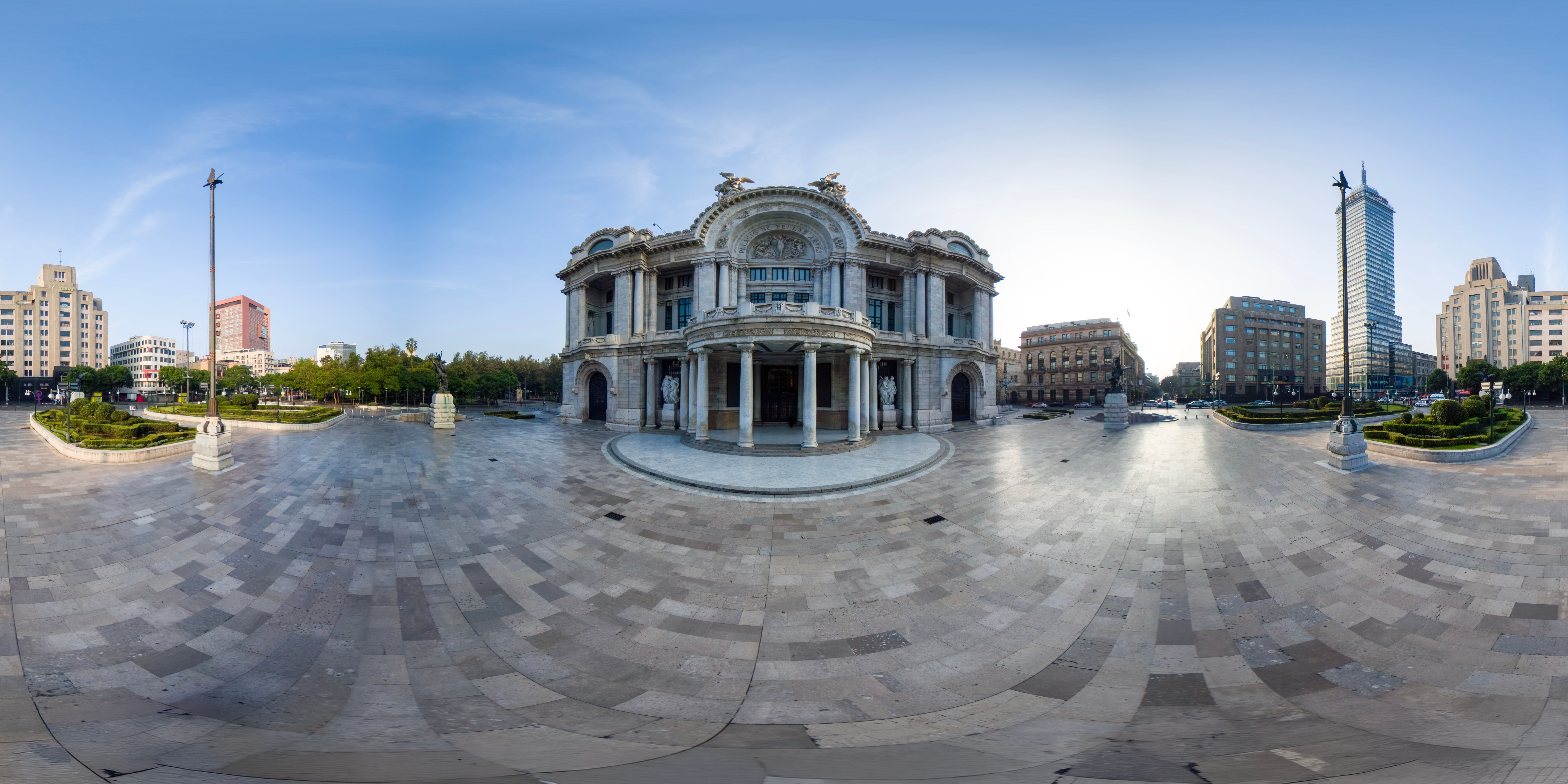
Explore how immersive museum experiences can support education, archives and remote access while respecting interpretation, rights and accessibility.
- A virtual museum can preserve spatial and interpretive context.
- Educational content should be optional, structured and accessible.
- Cultural rights, reproduction permissions and sensitive material require review.
- Long-term value depends on ownership, hosting and preservation planning.
What a 360 virtual museum is
It is an interactive representation of galleries, heritage spaces or exhibitions built from panoramic imagery or other spatial media. Visitors navigate between locations and open interpretation, audio, video or collection records.
Education, archive and access
The experience can prepare school groups, preserve temporary displays, support research and offer remote access. It should be treated as a distinct interpretive medium rather than a substitute for the physical institution.
Designing interpretation
Use a clear hierarchy: essential orientation, object-level information and optional deeper content. Audio description, transcripts, captions and readable controls should be part of planning rather than added at the end.
Rights and cultural sensitivity
Confirm image and reproduction rights. Review sacred, private, restricted or culturally sensitive material with the responsible institution and communities before publication.
Technology and longevity
Optimize for common mobile devices, provide a non-immersive information path where practical and document hosting, backups, source files and update responsibilities.
A responsible production workflow
Begin with institutional goals and an interpretive map. Then plan capture, metadata, accessibility, rights review, technical QA and preservation as one project.
Frequently asked questions
Can schools use a virtual museum?
Yes. Guided routes and supporting materials can help educators prepare or extend a visit.
Does every collection item need a hotspot?
No. Prioritize the works and context that support the interpretive goal.
Can restricted areas be excluded?
Yes. Publication scope should respect security, conservation and cultural policies.
Turn the idea into a useful digital experience.
Tell us about the space, audience and business goal. LUM360 can help define the right combination of web, visual production, analytics and immersive media.