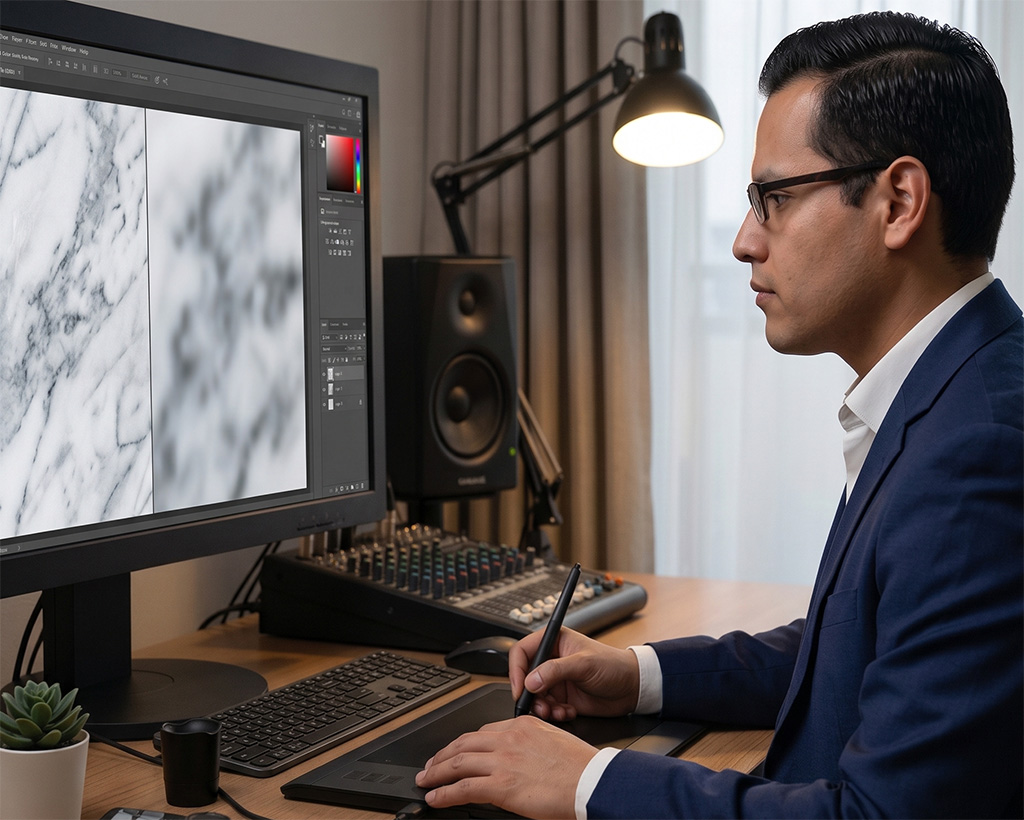
Visual editing levels are a way to organize post-production so the budget is clear. Not every space needs the same level of care: a rental-ready property may need basic adjustments, while a clinic, a luxury hotel or a yacht may need far more refined review.
- Basic editing corrects light, color, framing and general adjustments.
- Detailed editing handles minor distractions and spot cleanup.
- Premium editing requires in-depth review and higher brand standards.
- The level you choose affects price, timelines and approval rounds.
A simple definition
Visual editing levels are a way to organize post-production so the budget is clear. Not every space needs the same level of care: a rental-ready property may need basic adjustments, while a clinic, a luxury hotel or a yacht may need far more refined review.
Talking about levels avoids a common gray area: assuming that "editing" means unlimited changes of any kind. In reality, each level defines depth, time, detail and type of review.
Why it matters for physical spaces
It matters because a virtual tour feels real and close. If the space looks neglected, perception drops. If it's over-edited, it can set the wrong expectations. The balance is in presenting well what actually exists.
The editing level also helps us quote honestly. The point isn't to sell you more; it's to recommend the post-production effort your goal really calls for.
Use cases in LUM360's work
- Basic editing for tidy spaces with good light and simple informational or commercial use.
- Detailed editing for properties, restaurants, showrooms or venues with small distractions.
- Premium editing for hotels, yachts, clinics, developments, galleries or spaces with high visual value.
- Privacy review in spaces where documents, people or data may appear.
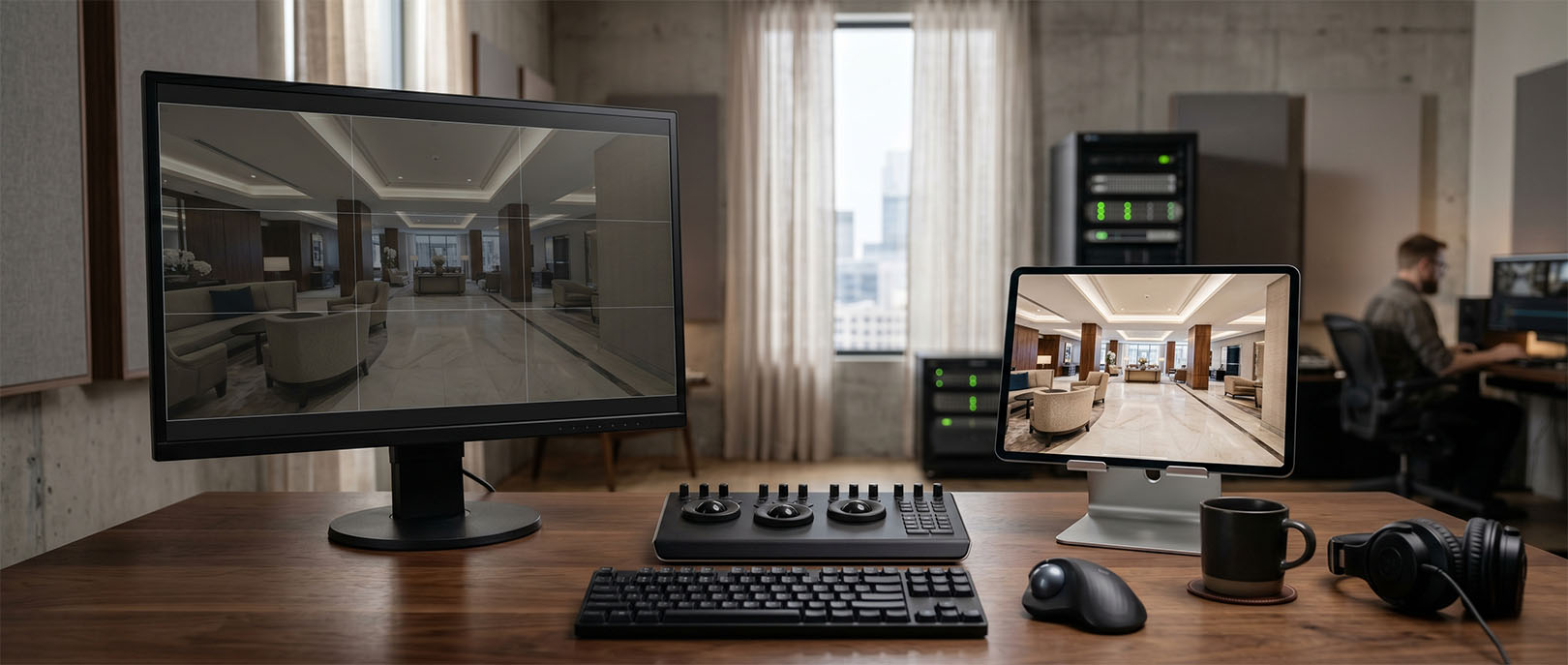
- Visual consistency adjustments when the tour will be combined with photography, video or campaigns.
- Special quality control when the content will live on a website, in ads or in sales materials.
The recommendation shouldn't start from a list of services. It should start from what the space needs to do: sell, take bookings, document, educate, qualify prospects, or build trust before an in-person visit.
When it makes sense
- Use basic when the space is already ready and the goal is to show it clearly.
- Use detailed when specific elements could distract the viewer.
- Use premium when the brand, average ticket, privacy or longevity of the content justify tighter control.
When it needs a closer look
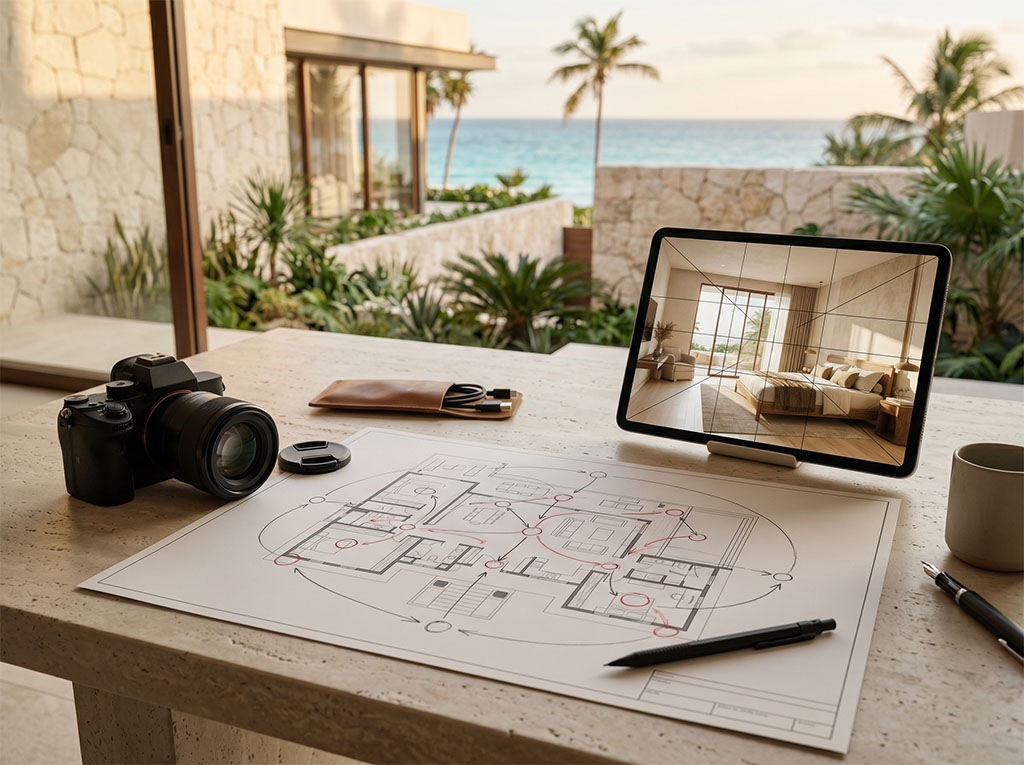
- If you don't know what to choose, it's worth reviewing preliminary photos or doing scouting.
- If there are too many elements to fix, the first step may be preparing the space.
- If you expect complex changes, define them upfront to avoid surprises in cost or timing.
This upfront review keeps you from paying for things you don't need and helps define a realistic scope. On sensitive projects, it's worth talking through permissions, visual privacy, and final use before production begins.
What drives price, scope, or complexity
- Physical condition and visual order of the space on capture day.
- Number of nodes and areas with reflections, glass, ceilings or delicate surfaces.
- Privacy risks or visible information.
- Commercial use: internal sharing, public website, campaigns, brokers or premium sales.
- Delivery deadlines and whether several people need to review.
Price shouldn't come from a generic formula. Two spaces of the same size can call for very different levels of editing, logistics, interactivity, and review.
How LUM360 approaches it
At LUM360, we use editing levels to set expectations from the start. If a space doesn't need premium editing, we say so. If it does, we explain why.
During planning, we flag risk points: cables, screens, documents, sensitive areas, stains, objects or reflections. A pre-shoot checklist often cuts down the work afterward.
Editing is reviewed with a commercial eye: what affects trust, what distracts, what compromises privacy and what can be left natural.
That way the quote is more precise and the result feels polished without looking artificial.
That's why the Project Estimator asks about project type, goal, services, final use, urgency, editing, and contact details. The idea is to recommend what's right for your goals, not to push a bigger solution than you need.
Frequently asked questions
Can I pick one level and change it later?
Yes, but if the change expands the scope significantly, it can affect timelines and budget. It's best to settle it before production.
Is premium editing always worth it?
No. It makes sense when the use case, the brand or the sensitivity of the space justifies the extra work.
What if I don't know which level I need?
We can review it with you. In the Project Estimator you can flag it, and LUM360 will recommend the most reasonable level.
The right level depends on the final use We'll review it with you.
If you're not sure which editing level you need, select "I'm not sure" in the Project Estimator and we'll review it with you before finalizing the scope.