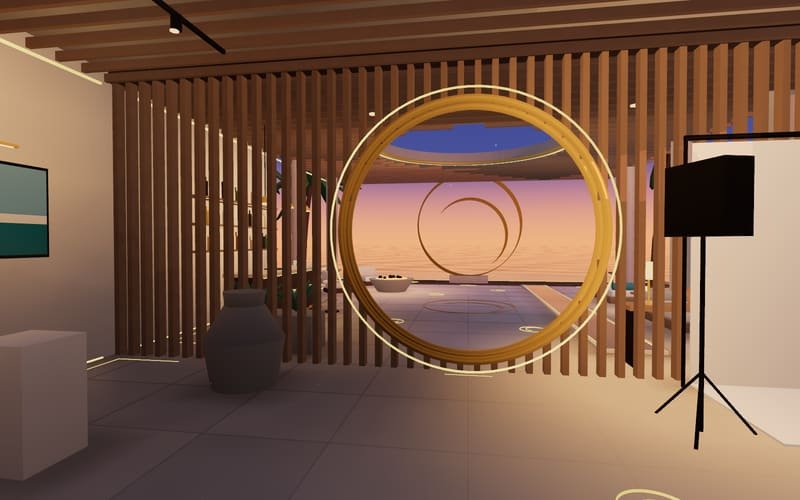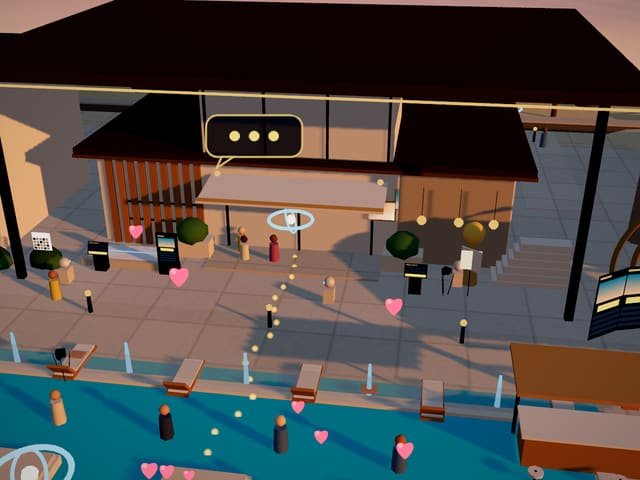

Lobby and front desk
It's the first thing guests see. It improves the arrival experience and what's worth photographing.
- 1Refreshed look$6,000
- 2Contemporary front desk$12,000
- 3Double-height lobby$20,000
- 4Flagship lobby$32,000
LUM360 Lab Experiment 003
A 3D strategy and simulation game: you inherit a resort with potential and a weak digital presence, and you have 52 weeks to grow it.
Free · no sign-up · in your browser
No account or sign-up. Your progress saves on this device. Tap to decide; drag to look around the resort.
This device can't display the 3D scene: your browser doesn't have graphics acceleration (WebGL 2) available. You can still play the full campaign with a 2D map of the resort.
Digital Resort Tycoon is a strategy and management game that runs right on this page. You inherit a small resort with a great location and a solid product, but an outdated website, little visibility, and nearly all its bookings in the hands of intermediaries. You have 52 weeks, a limited budget, and the responsibility of deciding what to build, when, and in what order.
It's not a click-to-buy-upgrades game. Every investment changes other parts of the system; some pay off weeks later and others only work in combination. Events bring decisions with no obvious answer, and there's more than one way to win.
The economy
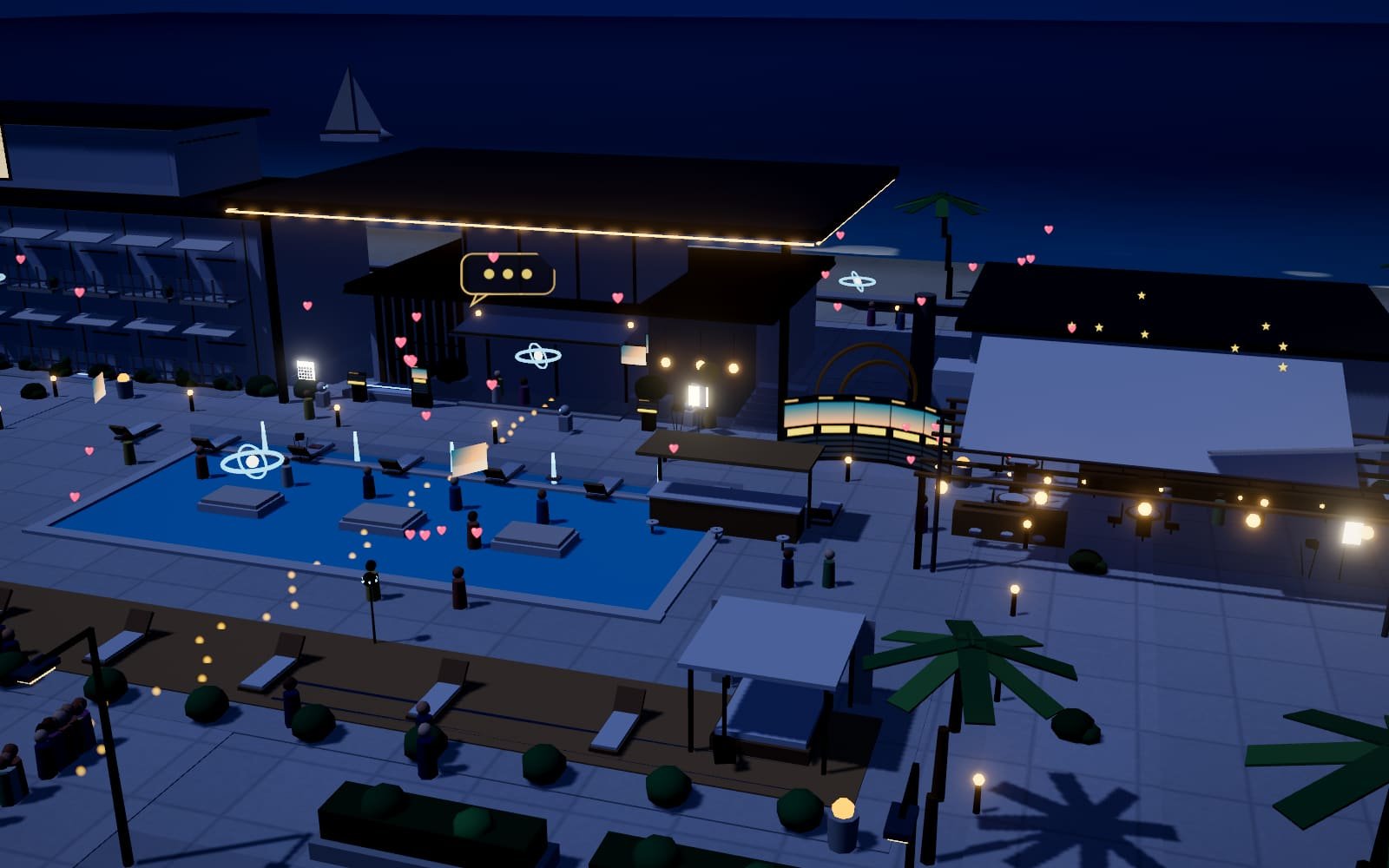
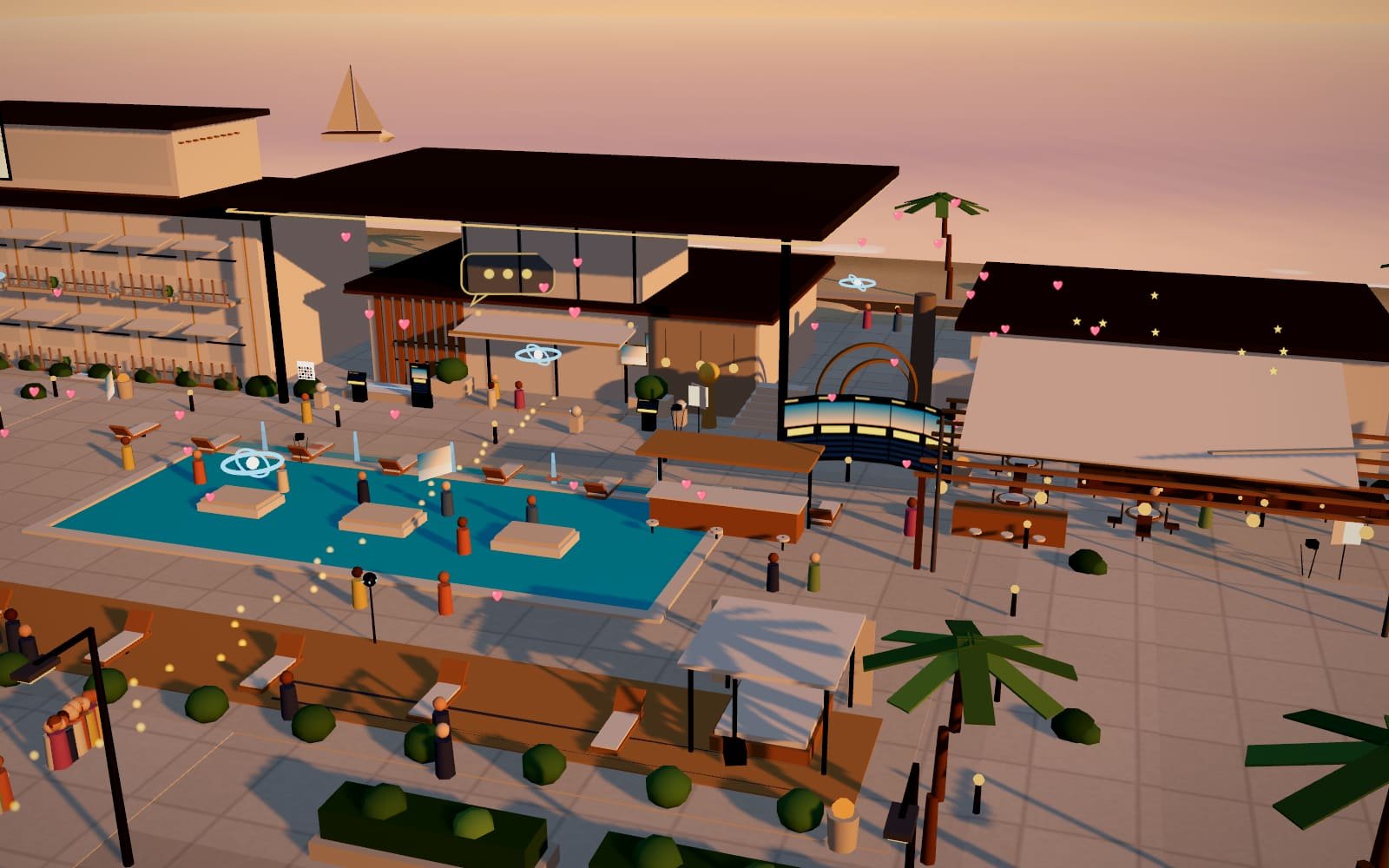
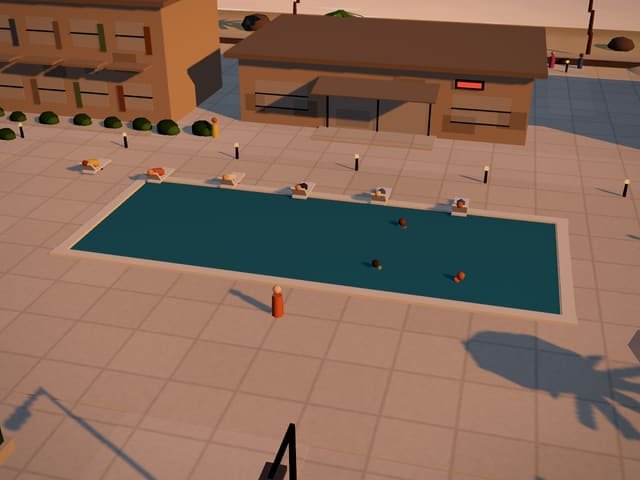
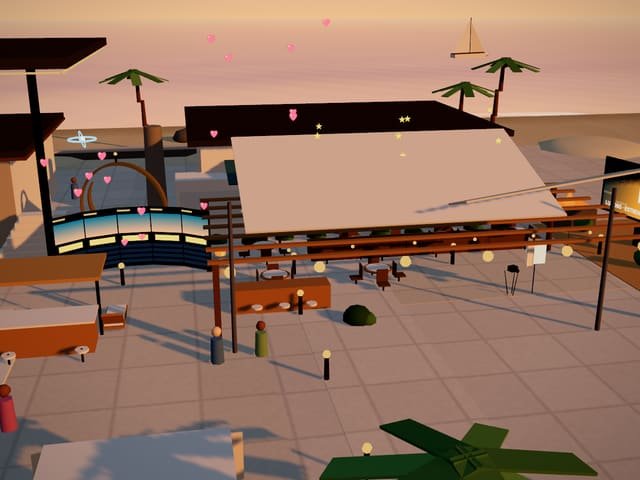
The resort is a 3D model that changes with what you build: from a lobby with a sagging awning to a double-height atrium, from a dull pool to floating beds with underwater lighting. Move the slider: same camera, same game, week 1 versus a resort with everything maxed out.
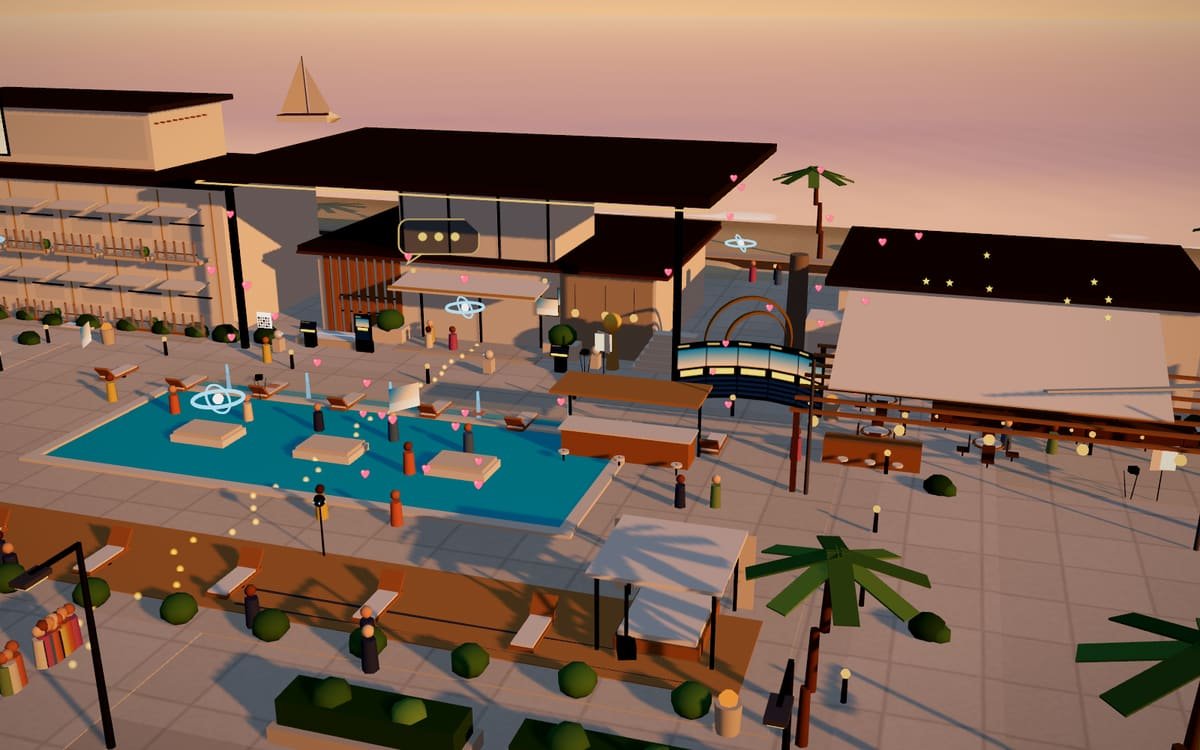
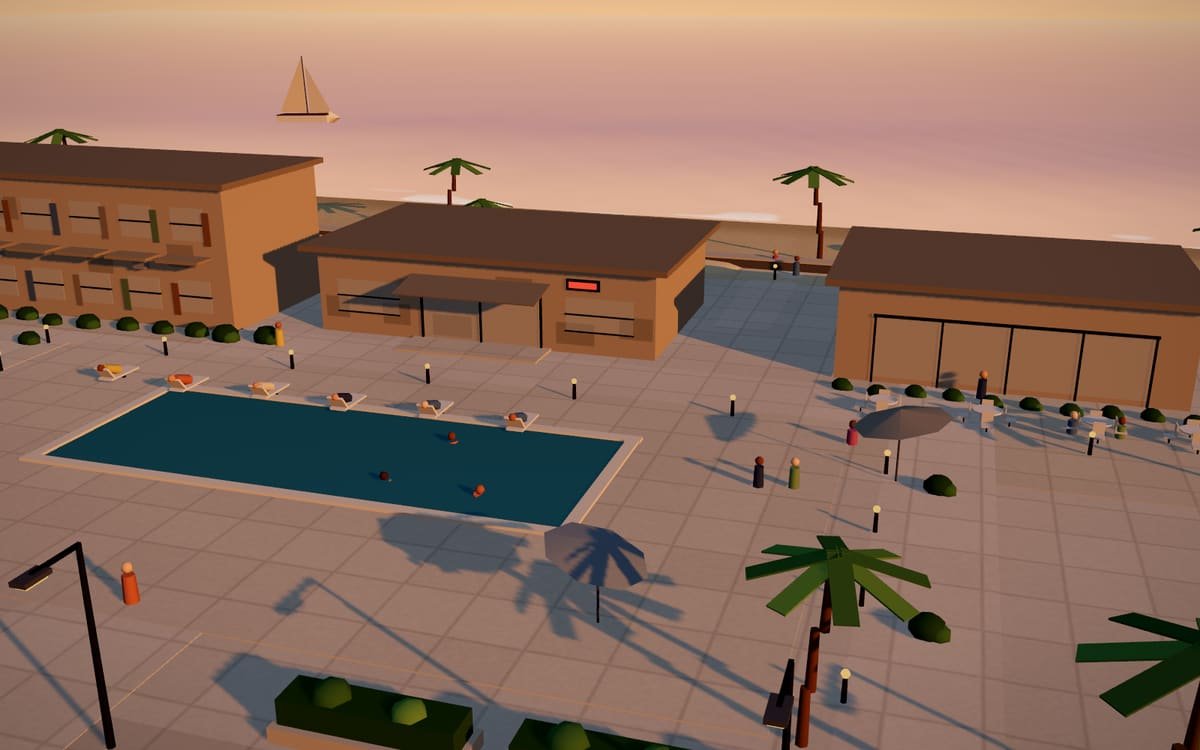
It's the first thing guests see. It improves the arrival experience and what's worth photographing.
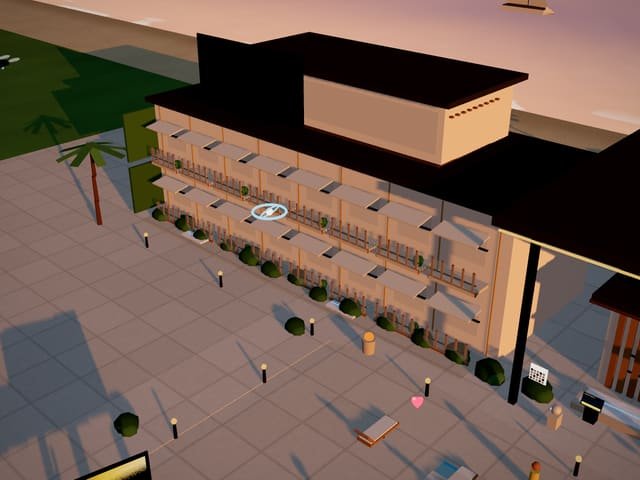

The largest part of the product. What guests experience here decides what people write afterward.
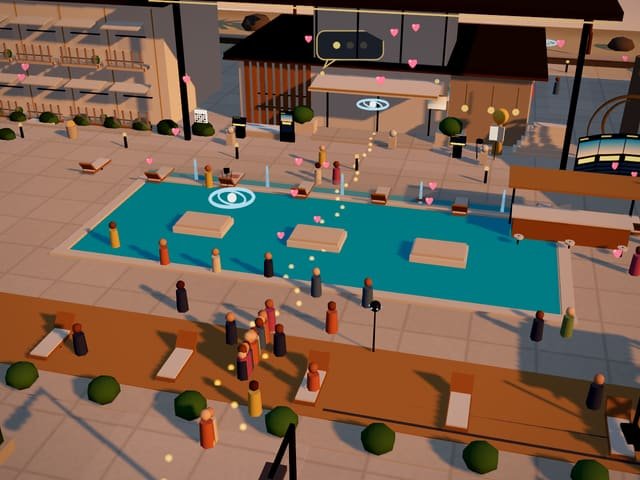
The zone with the most content potential: what looks best is also what gets shared most.

Sets how much each guest spends outside the room and what they remember from the stay.
Website, booking, SEO, content, reputation, automation. Each unlocks in a different week and upgrades in levels, with diminishing returns: the first level does a lot, the last one fine-tunes.
$718,500to take all 17 investments to the max, not counting weekly upkeep
$50,000is the cash you start with
About fourteen times your starting cash: you can't buy everything. What you buy first, and what you leave for later, is what matters.
You review the situation, invest, decide, and hit Advance Week. The game runs the numbers and explains why each one changed.
Five metrics, your cash, and a LUM Insight that interprets what's happening.
Build, upgrade, and hire. Construction takes weeks and some projects carry upkeep costs.
Rate, ads, campaigns, and the week's event, if there is one. No one tells you which is right.
The week is calculated: traffic, bookings, occupancy, and revenue, with the why behind every change.
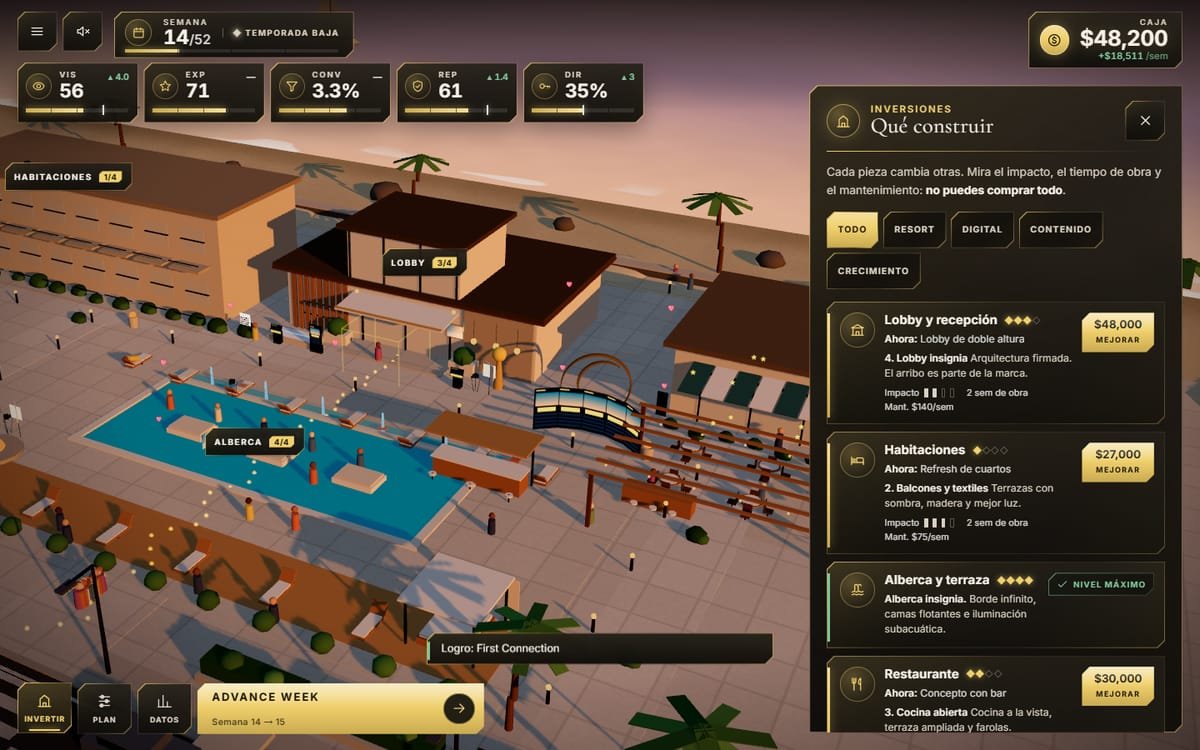
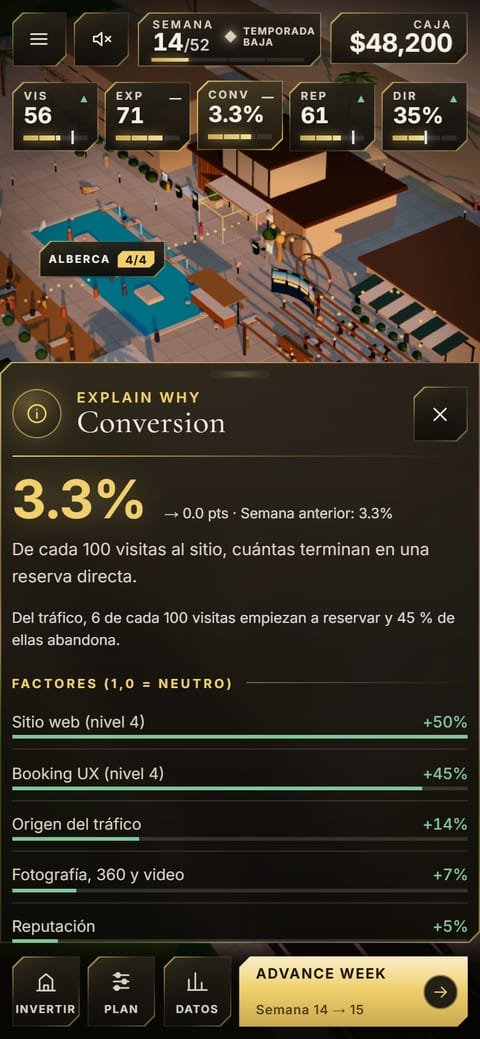
Real screenshots. On a phone, panels are bottom sheets within thumb reach.
Tap any metric to see its factors, where it comes from, and what changed since last week.
Readings that interpret, not prescribe: “traffic is growing, but your booking flow is limiting conversion.” These are game rules, not a chatbot.
If cash runs out, there's an emergency plan. When the year ends, you always get a Resort Report.
The dashboard
None moves on its own. Each depends on others and pushes the rest, which is why improving one blindly almost never works.
How many people find you
How good the stay is
Who ends up booking
What's said about you
Bookings without intermediaries
Demand rises and falls across the 52 weeks, and traffic and rate move with it. Things unlock as the weeks go by, until the system is complete and the race is for the goals. The blocks are game-defined; they don't match a real tourism calendar.
The resort changes with the week, too: morning, day, golden hour, and night, with clear, cloudy, or rainy weather.
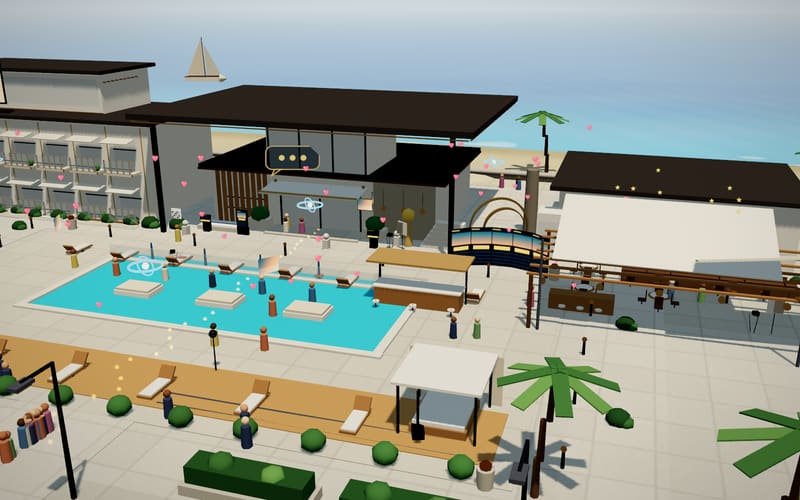
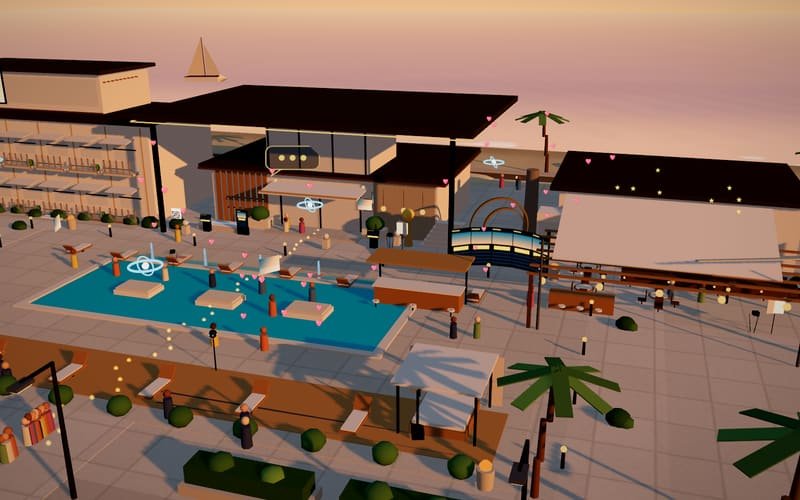
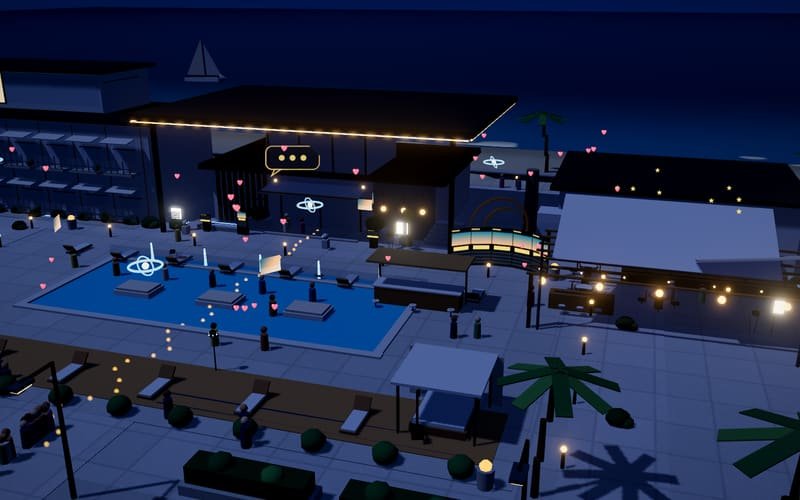
Fifteen arrive at random when their conditions are met and three are on the calendar. Each decision changes cost, risk, and consequences, and some come due weeks later. Open an option to see what happens.
Reputation
A two-star review is being shared: it mentions a long wait at the front desk and a room that wasn't ready. It hasn't been answered yet.
The reply was empathetic and the process was fixed.
The guest updated their review. The team took away a lesson.
Nothing happens today. But the review is still there, and three weeks later it costs you in reputation.
Digital
The site hasn't loaded since this morning. Visitors see an error and the provider says they're looking into it.
The site was back within hours.
A week of direct bookings went to other sites.
It costs you today, but the site performs better from now on.
Week 30 · Midyear review
Halfway through the campaign, the owners want an extra six-month push and ask where you'd put it. There isn't enough for everything.
The brand gains presence, and expectations rise with it.
More visits from people ready to book.
Guests notice it during their stay.
You save without touching the essentials, though it shows a little.
The thesis
Traffic, a beautiful website, great photos, SEO, or automation aren't enough on their own. Value shows up when all the pieces work together, and the game makes that obvious because every decision moves the others. You don't read it: you discover it by playing.
Lots of traffic with a hard booking flow is abandonment and burned ad spend.
What can't be seen or booked doesn't sell, no matter how good it is.
A great photo or video with no distribution reaches few people, and overpromising gets paid for in reviews.
Automation scales what already works; without volume, or with a weak experience, it only adds cost.
Cumulative demand: it takes weeks, has a ceiling, and needs upkeep.
It's built slowly, removes friction at every step, and is lost fast.
In week 52 you receive a score from 0 to 1,000, progress on your four goals, your strongest area, your constraint, and what worked and what didn't. You also get a strategy profile, calculated by where you put your effort, not by how many dollars you spent. It describes the game, not the person.
You put your effort into how the resort looks and tells its story.
Photography, video, drone, social, and 360You put your effort into being found and booked.
SEO, local listing, website, and Booking UXYou put your effort into the product and the service.
Zones, team, and reputation programYou focused on scaling operations with processes and tools.
Automation and chatbotYou spread your effort across product, brand, results, and operations, without betting everything on a single piece.
And eleven local achievements for those who explore: from Organic Growth to Year OneProgress
It saves automatically on your device, with no account, no server, and no leaderboard. Close the tab, come back tomorrow, and hit Continue.
When the week advances, after each event, shortly after each purchase, and when you leave the page. Never per frame.
A JSON file with your game, to switch devices or keep a copy.
The whole file is checked before it touches your game: if it's broken or tampered with, it's rejected and everything stays as it was.
Each game gets a RES-XXXXX code. Same seed and same decisions, same result.
Starting a new resort with a saved game asks for explicit confirmation.
Sea, pool, and restaurant sounds are synthesized in your browser. Nothing plays before your first tap, and there's a mute button.
It runs in the browser with WebGL and Three.js, nothing to install. The resort is procedural and changes visually with everything you build. The simulation is separate from the scene and deterministic by seed.
compressed in total: the game (50 KB) and the 3D scene (153 KB), requested when you start. When you arrive, only this page downloads.
models, textures, or audio files downloaded. The resort, the guests, and the sound are generated on your device.
quality profiles (low, medium, and high) that adjust automatically based on real frame rate, to protect battery and temperature.
fallback map with the same zones and panels if your device can't display WebGL 2.
Between 30 and 90 minutes for all 52 weeks, depending on how long you linger over each decision. It saves automatically, so you can leave and pick it up later.
No. It's free and doesn't ask you to sign up or give an email. Your progress lives on this device.
Yes: it's designed for one-handed portrait play first. Panels are bottom sheets and graphics quality adjusts automatically. If your browser doesn't support WebGL 2, you play on a 2D map.
No game over. If cash runs out, an emergency plan lets you keep playing. When the year ends, you always get your Resort Report.
No. It's LUM Credits, fictional dollars, in a simulation. It's not financial advice.
Yes: export your game as a file and use Import game on the other device.
We design the complete digital experience for hotels, developments, and businesses in Cancún and the Riviera Maya: website, direct booking, local SEO, photography, video, 360° virtual tours, and automation, designed as one system.
Haven't played yet? Start your week 1
Downloading the game
0
Digital Resort Tycoon
It may be the connection or the device's memory. Your saved game is untouched. Try again or head back to the Lab.